How Rakuten's Double Cash Back Events Actually Work
Codes mentioned here live on the Rakuten page, with current verification dates.
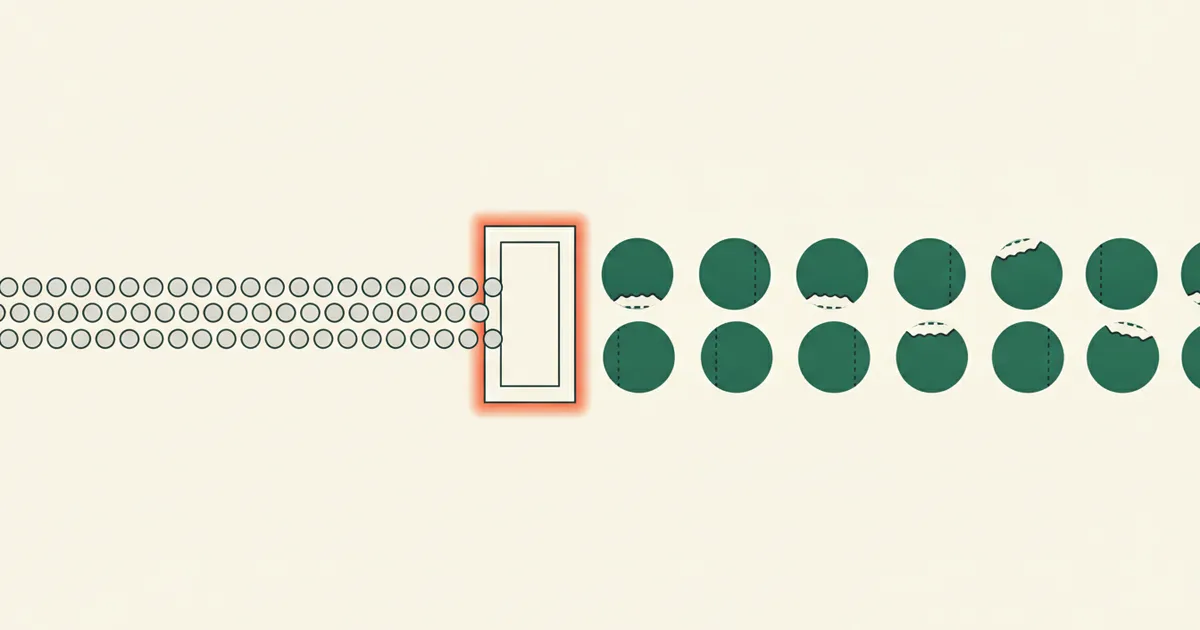
“Double Cash Back” sounds like a flat promise — twice the money, no math required. It isn’t. Rakuten’s own promo page advertises “amazing discounts and awesome Double Cash Back by shopping with Rakuten at participating merchants” during its rotating Midweek Madness event (Rakuten’s Double Cash Back page), and that phrasing hides the two things that actually decide what you get: what “double” is multiplying, and whether the store you want is one of the “participating merchants” that week. Miss either one and a Double Cash Back day pays exactly what a normal day would.
What “2x” is actually multiplying
Rakuten doesn’t set a store-wide flat rate and then double it for everyone. Each store has its own standard cash-back rate on Rakuten, negotiated between Rakuten and that retailer as a cut of the commission the retailer pays for the referred sale — and that baseline rate is what a Double Cash Back promotion multiplies. If a store’s everyday listed rate on Rakuten is 2%, a Double Cash Back window on that store pays 4%, not some fixed bonus amount. A store that normally pays 1% pays 2%. The label is the same regardless of which store you’re looking at; the payout depends entirely on that store’s normal rate going in.
This is also why “double” is sometimes really “more than double.” Retailers occasionally run their own elevated or targeted rate through Rakuten at the same time Rakuten is running a Double Cash Back window on that category, and the two stack. A store that’s usually 2% but is separately running a promotional 3% might show as 6% during a Double Cash Back event — not because doubling suddenly got more generous, but because the number being doubled moved first. Always check the rate shown on the store’s Rakuten page at the moment you click through; that’s the number that actually applies to your purchase, not whatever rate you remember from last time.
Why it’s participating stores only, and only for a window
Rakuten runs Double Cash Back as a scheduled promotion, not a standing feature of the site. Historically the most consistent version is Midweek Madness, a rotating slate of stores that changes weekly. Rakuten also runs larger, less predictable Double Cash Back pushes tied to shopping-heavy periods — back-to-school, Black Friday and Cyber Monday, and the holiday season are the windows where these events show up most often, alongside occasional retailer-specific pushes announced by email to Rakuten members.
Two things follow from that structure. First, the doubled rate applies only to the specific merchants Rakuten has enrolled in that particular event — not every store on the site, and not even every store in the same category. A store you shopped at last week during Double Cash Back might not be included this week, even if nothing about your account changed. Second, the doubled rate applies only for the dates of that specific promotion. If you click through to a store outside the promo window using a link or bookmark you saved during a Double Cash Back event, you’ll get that store’s normal rate, not the doubled one — the multiplier isn’t attached to the store, it’s attached to the calendar dates Rakuten ran the promotion.
Telling a real Double Cash Back day from an everyday elevated rate
This is the distinction that actually causes confusion, and it’s worth separating from what this site’s tracking-failures article covers — that piece is about cash back not registering at all; this is about whether the rate itself was ever doubled in the first place. Rakuten’s cash-back rates move constantly on their own, independent of any named promotion: a store that normally pays 3% might sit at 5% for a week because the retailer is running its own seasonal push through Rakuten’s network, with no “Double Cash Back” label attached anywhere. That’s just a higher standing rate, not a doubling event, and it behaves differently — it can change again at any time without a promotion ending, and it isn’t limited to a “participating merchants” list the way a scheduled event is.
The reliable way to tell the two apart: a genuine Double Cash Back event is labeled as such on the store’s page or in the promotion’s own merchant list, and it has a stated start and end date. An elevated rate with no such labeling is just that store’s current rate — worth taking advantage of, but not evidence that any doubling mechanism is in play. If a store’s page doesn’t say “Double Cash Back” and doesn’t point you to a dated promotion, treat the number you see as the store’s regular (if temporarily generous) rate, not a multiplier on top of something else.
What this actually saves you
Keep the arithmetic honest. Doubling a 1% rate gets you 2% — real money on a large purchase, marginal on a small one. The programs worth timing around a Double Cash Back window are the ones where the baseline rate is already meaningful, because doubling a small number is still a small number. And a doubled rate changes nothing about how Rakuten tracks the purchase in the first place: you still need a logged Shopping Trip for the sale to count at all, doubled or not, so the ordinary tracking rules apply exactly as they do on any other day.
None of this affects the separate welcome bonus new members get for signing up through a referral link, which runs on its own 90-day qualifying-purchase window — see our full walkthrough of the welcome bonus for how that reward works. Double Cash Back is a rate promotion on ordinary cash-back earnings, not a change to the sign-up bonus terms.
As with any rotating promotion, don’t take a coupon site’s word for which stores are doubled this week or what the current rate is — that information changes too fast for a static page to stay accurate. Check the live rate on Rakuten’s own store page before you buy, the same way our verification approach treats every other time-sensitive number on this site.