Robinhood Free Stock: The Real Odds Behind 'Up to $200'
Codes mentioned here live on the Robinhood page, with current verification dates.
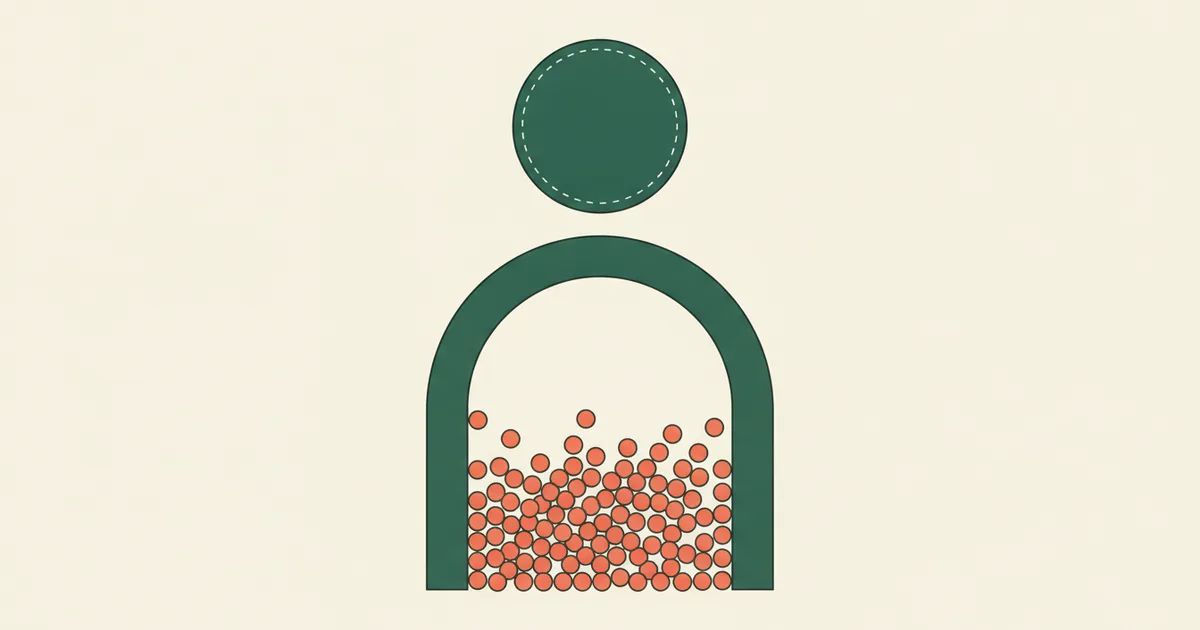
“Get up to $200 in free stock” is one of the most durable lines in fintech marketing, and Robinhood’s referral program is where most people first run into it. The line is technically true. It is also one of the best examples of why “up to” deserves a reflexive squint: by Robinhood’s own program disclosures, roughly 98% of rewards land at the very bottom of the range, around $5 to $10 in stock value. That is not a scandal — it is just how weighted-odds promotions work — but you should know the real math before you open a brokerage account expecting a windfall.
Here is how the reward actually works, what the odds look like, what you can do with the stock once you have it, and how this promotion differs from the deposit-match offers Robinhood also runs.
How the referral reward works
Robinhood’s referral program is a two-sided reward. When an existing customer shares their referral link and a new customer signs up through it, both people receive gift stock — Robinhood’s term for a small amount of stock (usually a fractional share) deposited into each person’s brokerage account.
The trigger is account approval, not funding. Once the new customer’s individual brokerage application is approved, the reward is issued to both sides. You do not need to deposit money, link a bank account with a minimum balance, or place a trade to earn the referral reward itself. That makes it one of the lower-friction brokerage promotions around — and also explains why the typical reward value is small.
The details that matter are all in Robinhood’s official referral program page, which is worth reading directly since the exact mechanics and reward structure have changed several times over the years. Anything you read elsewhere, including here, should be checked against that page before you count on it.
The real odds behind “up to $200”
The value of your gift stock is assigned randomly, using weighted odds that Robinhood spells out in its program disclosures. The advertised range runs from about $5 at the bottom to $200 at the top, but the distribution is heavily skewed: approximately 98% of participants receive stock valued at the low end, roughly $5 to $10. The bigger values exist, and someone does occasionally land one, but the odds of drawing anything near $200 are on the order of a fraction of a percent.
A useful way to think about it: if 98 out of 100 people get roughly $5 to $10, the expected value of a single referral reward sits somewhere around the price of a sandwich. Signing up because you want a Robinhood account anyway and treating the stock as a small bonus is a reasonable move. Signing up because you are picturing $200 is setting yourself up for a $5 fractional share and mild disappointment.
This structure is common across fintech referral programs, and it is why we describe mechanics and realistic ranges rather than headline numbers when we cover offers — you can read more about that approach on our disclosure page.
Claiming, choosing, and selling your gift stock
Once the reward is issued, you claim it in the app and the shares appear in your brokerage account. Depending on the version of the program running at the time, you either pick from a short list of well-known US-listed companies or receive shares selected from Robinhood’s own inventory. Either way, the dollar value — not the specific company — is what the weighted odds determine.
A few practical rules to know:
- You can sell it. The gift stock is yours, and you can generally sell it any time the market is open once it has settled in your account.
- Withdrawing the cash takes longer. Robinhood’s terms have historically required the reward’s value to stay in your account for a holding window — roughly 30 days has been typical — before you can withdraw the proceeds. Check the current terms for the exact window.
- Taxes are real, even on free stock. The value of promotional stock can count as taxable income, and if the share gains value between the day you receive it and the day you sell, that gain is taxable too. For a $7 reward this is trivial, but it will show up on your year-end tax documents from Robinhood.
None of this is onerous. It just means the reward is “free stock in a real brokerage account,” with all the ordinary plumbing that implies, rather than free cash.
Who can actually get it
Because the reward is delivered into a genuine brokerage account, the eligibility requirements are the requirements for opening one:
- US only. You need a legal US residential address; Robinhood brokerage accounts are not available to residents of most other countries.
- 18 or older. Brokerage accounts require legal adulthood.
- A Social Security number. Robinhood is a registered broker-dealer, so it must verify your identity and report to the IRS like any other brokerage. The SSN requirement is a feature of that, not a data grab.
- Application approval. Identity verification has to clear before the account — and therefore the reward — goes through.
The upside of all this formality is that you end up with an actual brokerage account whose securities are protected by SIPC coverage if the broker fails (SIPC does not protect against market losses, only broker insolvency). The gift stock promotion is small, but the account underneath it is real.
The referrer’s annual cap — and why new users can ignore it
Robinhood caps how much referral reward value an existing customer can earn per calendar year. The cap applies to the person sending invitations, not the person accepting one. If you are signing up through someone’s link, their cap status has no effect on your reward: as long as the program is active and your application is approved, your gift stock is issued on its own odds.
If you later become a referrer yourself, the cap matters for you — it puts a ceiling on how much you can accumulate from inviting friends in a given year. The current cap amount is listed in Robinhood’s program terms.
Gift stock is not a deposit match
Robinhood runs other promotions that look superficially similar but work on completely different math, and it is worth keeping them straight:
- The referral gift stock requires no deposit and pays a small, randomly weighted amount — almost always $5 to $10.
- Deposit and transfer matches (the IRA contribution match is the best-known example) pay a percentage of money you actually move into Robinhood. These can be worth far more in absolute dollars, but they scale with your own money, often require a paid Gold subscription for the better rates, and typically come with long holding requirements — the IRA match, for instance, has used a multi-year earn-out period during which withdrawing the funds can claw back the match.
In short: the referral reward is a nearly free lottery ticket with a tiny expected value, while match promotions are a rebate on large deposits with strings attached. Neither is a trick, but confusing the two leads to bad expectations in both directions — we cover how the referral, IRA match, and deposit boosts compare, including what stacks with what, in a separate article.
A realistic bottom line
Open a Robinhood account through a referral link if you wanted the account anyway; the gift stock is a pleasant, small extra. Expect roughly $5 to $10, be pleasantly surprised by anything more, and read the current terms on Robinhood’s own referral page before assuming any specific number. For verified links and the current state of the program, see our Robinhood referral hub.